


Cultural perspectives on gambling How traditions shape our views
The Role of Cultural Heritage in Gambling
Cultural heritage significantly influences how societies perceive gambling. In many cultures, gambling is viewed as a traditional pastime, celebrated through festivals and communal events. These cultural practices often emphasize the social aspects of gambling, showcasing it as a means of entertainment and community bonding rather than merely a financial gamble. Interestingly, many players now explore options beyond traditional venues, seeking experiences from real money online casino platforms that cater to diverse preferences.
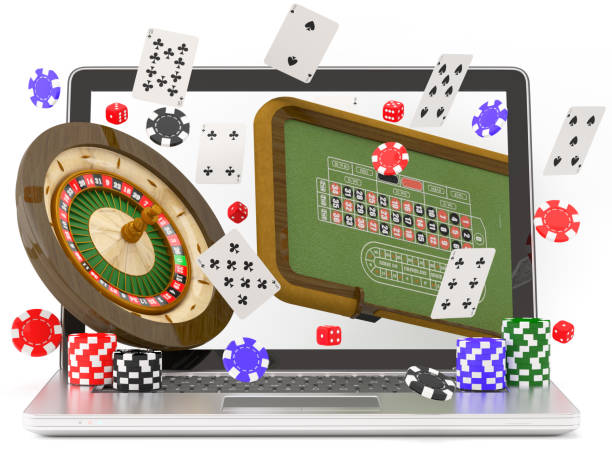
Conversely, some cultures regard gambling with skepticism or outright disapproval, associating it with moral decay or social vice. This dichotomy shapes individuals’ attitudes toward both land-based and online gambling platforms. Understanding these cultural contexts is essential for businesses and policymakers aiming to engage with diverse communities effectively.
Online vs. Land-Based Gambling: A Cultural Comparison
The advent of online gambling has transformed the landscape of this activity, offering players unprecedented convenience and accessibility. However, cultural perspectives on online and land-based gambling can vary widely. In cultures where social interaction is paramount, land-based casinos may be preferred, as they offer a communal atmosphere and face-to-face engagement.
On the other hand, younger generations, particularly in tech-savvy cultures, may gravitate towards online gambling. This trend reflects a shift in social dynamics, where digital interactions often supersede traditional ones. The acceptance of online gambling continues to evolve, influenced by cultural attitudes towards technology and change.
Religious and Ethical Influences on Gambling Attitudes
Religious beliefs play a pivotal role in shaping cultural perspectives on gambling. In many faiths, gambling is viewed as a form of temptation, leading to moral dilemmas for adherents. These beliefs can restrict gambling activities, leading to varying acceptance across different cultures. For example, in some Islamic societies, gambling is strictly prohibited, influencing community attitudes and behaviors surrounding the activity.
Ethical considerations further complicate the discourse. Issues such as addiction, financial ruin, and societal impacts have led to calls for responsible gambling practices. Understanding these religious and ethical frameworks is crucial for those looking to navigate the complex cultural landscape surrounding gambling.
The Evolution of Gambling Traditions
Gambling traditions have evolved considerably over time, influenced by historical events, technological advancements, and social changes. In many cultures, traditional games of chance have deep-rooted historical significance, reflecting the values and beliefs of past generations. These traditional practices often adapt to modern contexts, blending with contemporary forms of gambling.
This evolution is particularly evident in the rise of online casinos, which have created new traditions around gambling. As cultures adapt to these changes, they simultaneously preserve elements of traditional gambling practices, creating a rich tapestry of gambling experiences that reflect both heritage and modernity.

About Our Website
This website serves as a security portal dedicated to fostering a safe online environment for users interested in gambling and related content. By employing advanced security measures, we strive to protect sensitive information while offering a comprehensive understanding of gambling dynamics across cultures.
Our goal is to facilitate informed discussions and provide resources that help navigate the complex interplay between gambling traditions and modern practices. We invite users to engage with our content while maintaining an awareness of security protocols to ensure a seamless browsing experience.
